Independent guide: Independent ferry travel information website. Not affiliated with, operated by or endorsed by Scandlines.
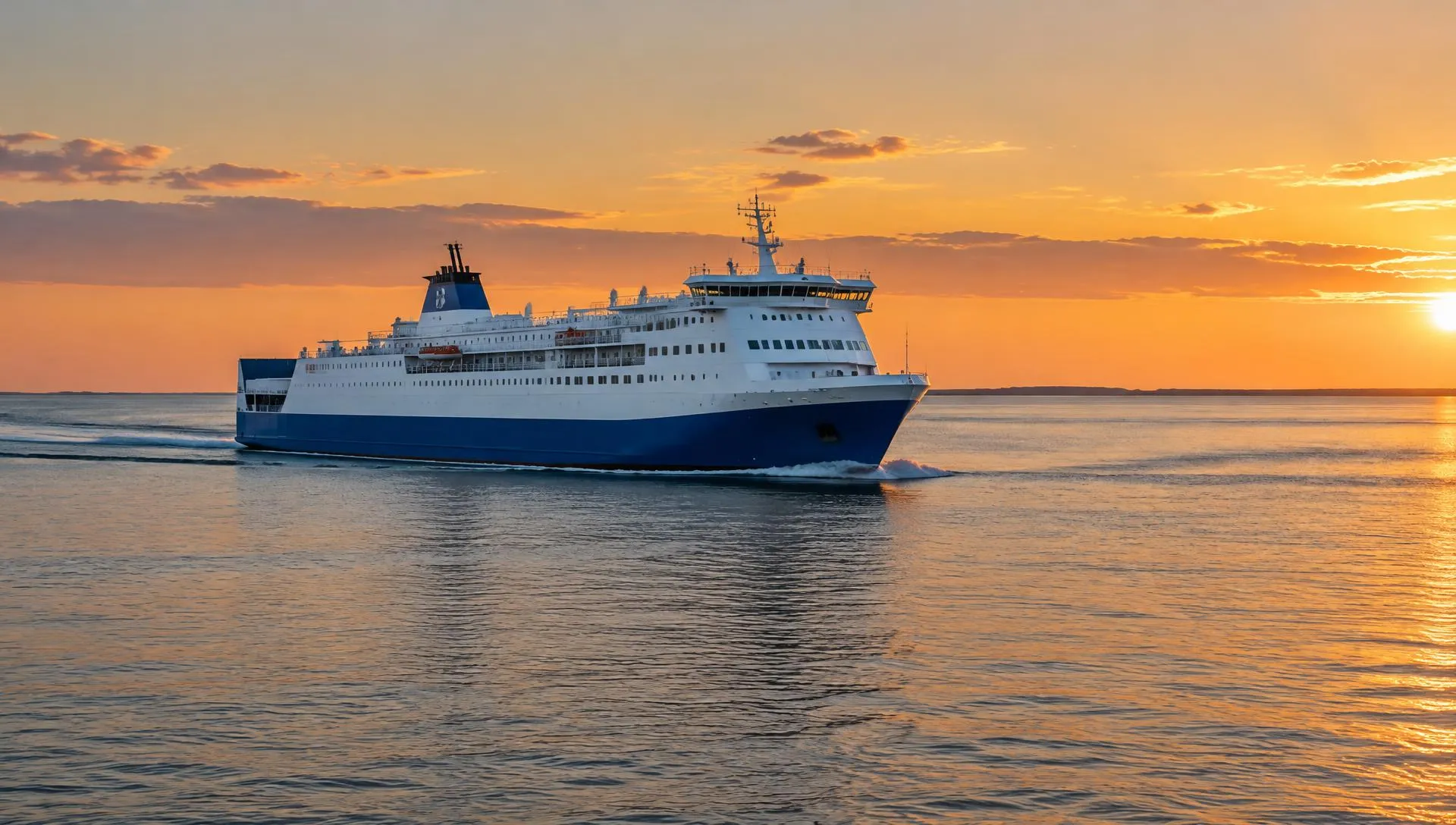
Car and passenger ferry crossing the calm Baltic Sea at sunset
Germany · Denmark · Sweden

Scandlines Ferry Routes — Germany & Denmark Travel Guide

Your independent guide to Scandlines ferry routes, departure information, vehicle crossings and ticket options.

About the ferries

About Scandlines Ferries

Scandlines is a ferry company that operates short-sea crossings across the western Baltic Sea between Germany and Denmark. For many travellers, a scandlines ferry is the natural link between the German motorway network and the Danish islands — and from there to Copenhagen and southern Sweden. The company's history goes back to the state railway ferries of both countries, and its crossings remain an important part of everyday European transport.

The best-known scandlines routes are Puttgarden – Rødby, linking the German island of Fehmarn with Lolland in Denmark, and Rostock – Gedser, linking the German port city of Rostock with the southern tip of Falster. Both are true scandlines germany denmark connections that work equally well in the other direction, so a scandlines denmark germany trip is simply the return leg of the same crossing.

Scandlines ferries carry both passengers and vehicles. A typical scandlines car ferry loads cars, campervans, motorcycles, coaches and freight lorries through bow and stern doors, while foot passengers and cyclists board separately. On board, travellers will usually find seating areas, food and drink outlets and a shop, though facilities vary by vessel.

Each scandlines ferry crossing is short compared with long-distance overnight ferries, which is why these routes are popular with holiday drivers, commuters and hauliers alike. Ticket options generally range from cheaper, less flexible fares to flexible tickets that allow changes — see our tickets and fares guide for an overview.

Why does this matter for road travellers? Without the ferries, driving between Hamburg and Copenhagen would mean a long detour through Jutland and over the Great Belt. The Baltic crossings shorten that journey considerably and form part of the classic "bird flight line" between central Europe and Scandinavia.

Please note: this is an independent information site. For timetables, prices and bookings, always use the official Scandlines website.
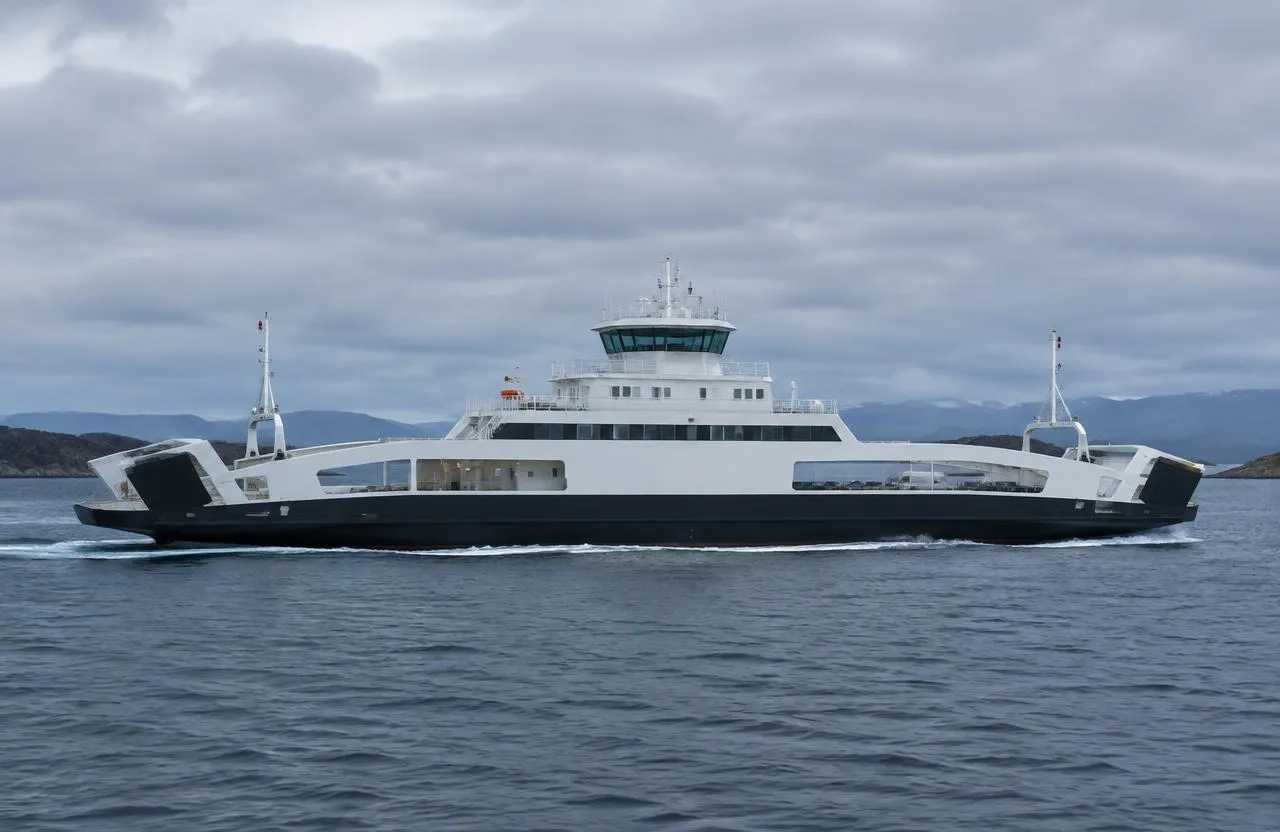
Double-ended car ferry sailing across grey Scandinavian waters (illustrative image)

Illustrative photograph of a double-ended car ferry.

Popular routes

Popular Ferry Routes

Two short Baltic crossings connect northern Germany with the Danish islands of Lolland and Falster.

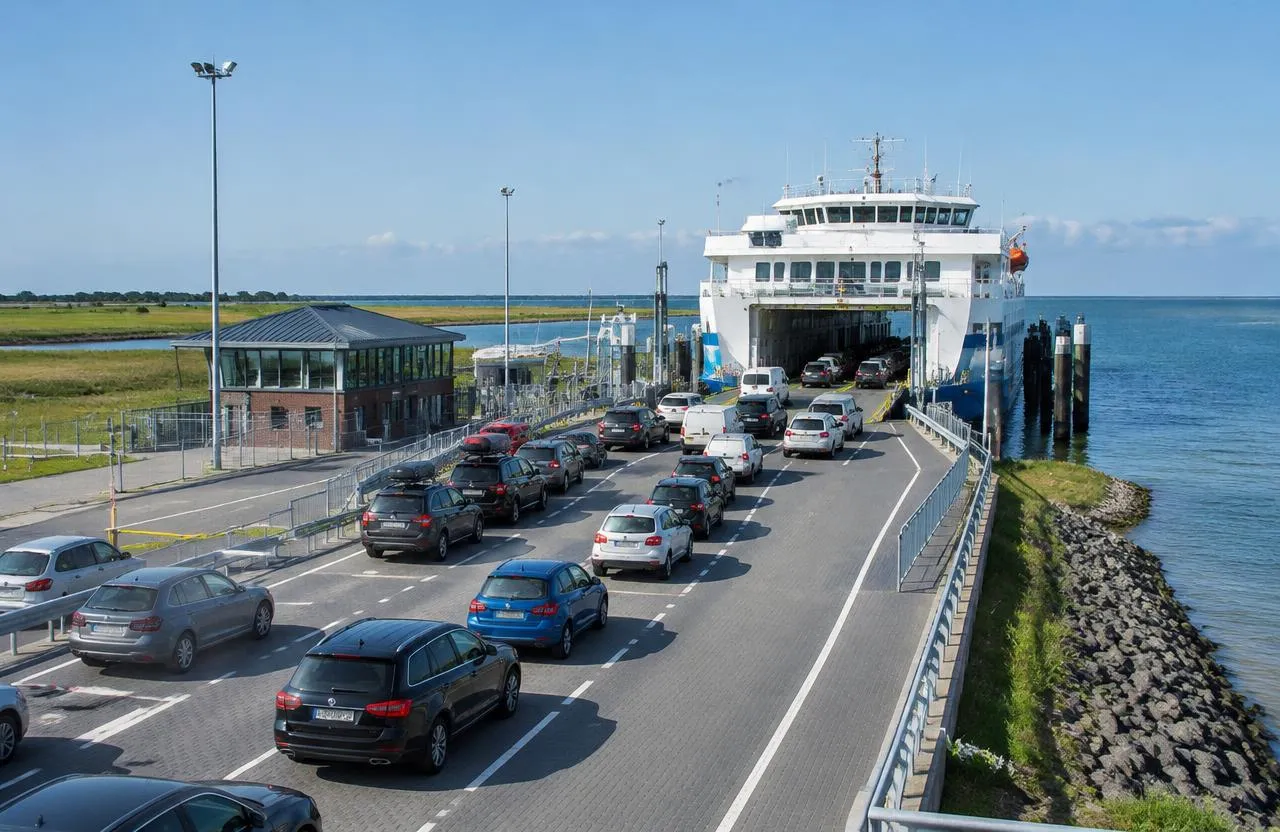
Cars queuing in lanes to board a ferry at a German Baltic ferry terminal

Puttgarden ↔ Rødby

  • Fehmarn (DE) – Lolland (DK)
  • Approx. 45 min crossing
  • Cars & passengers

The shortest and busiest link on the Hamburg–Copenhagen corridor. Drivers leave the German motorway on Fehmarn and roll off on Lolland, ready to continue towards Copenhagen.

  • Vehicle transport for cars, campers, caravans and lorries
  • Single and return ticket options via the operator
  • Frequent departures — check the official timetable
Puttgarden – Rødby guide
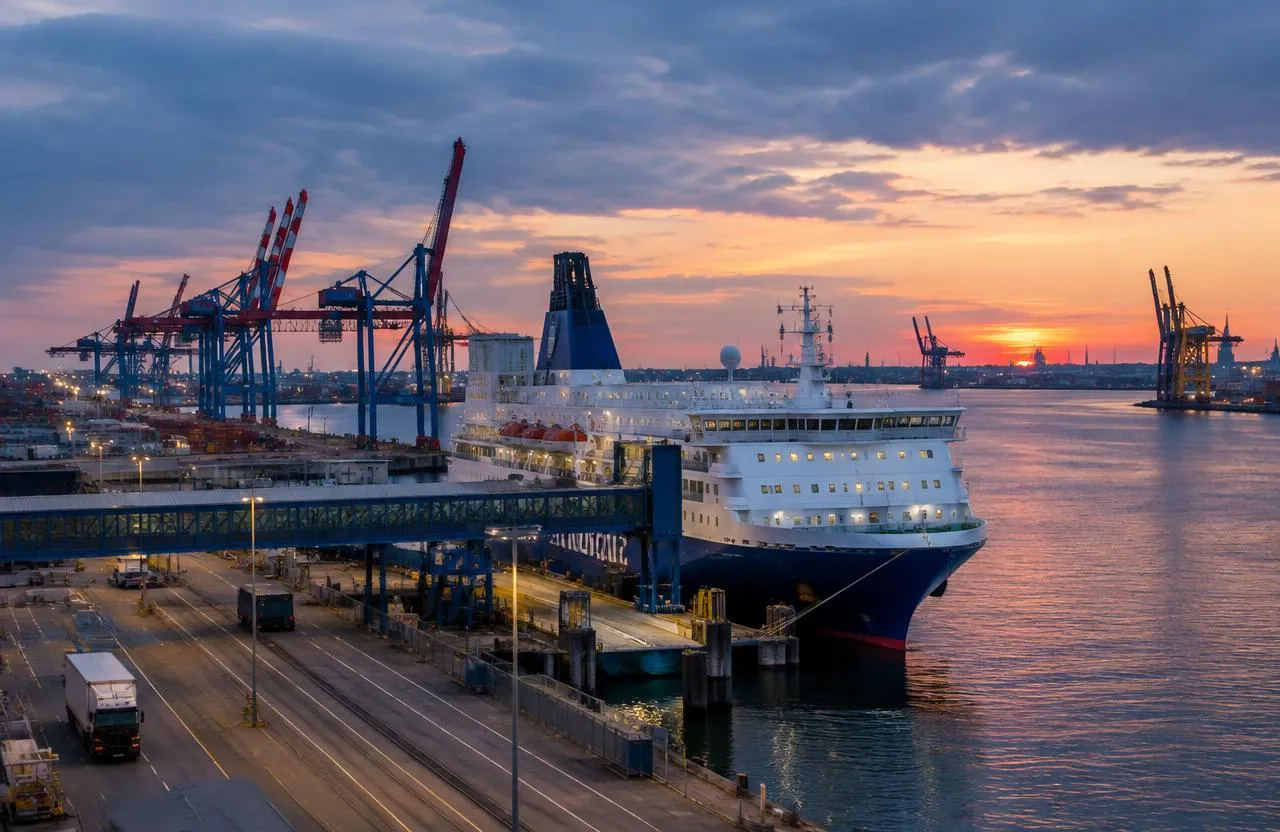
Large ferry docked at a German seaport terminal at dusk

Rostock ↔ Gedser

  • Rostock (DE) – Falster (DK)
  • Approx. 2 hour crossing
  • Car ferry

A longer crossing that is convenient for travellers coming from Berlin and eastern Germany, arriving at Gedser on the southern tip of Falster.

  • Car ferry suitable for most vehicle types
  • Ticket categories similar to other Scandlines routes
  • Departures spread through the day — check before you travel
Rostock – Gedser guide
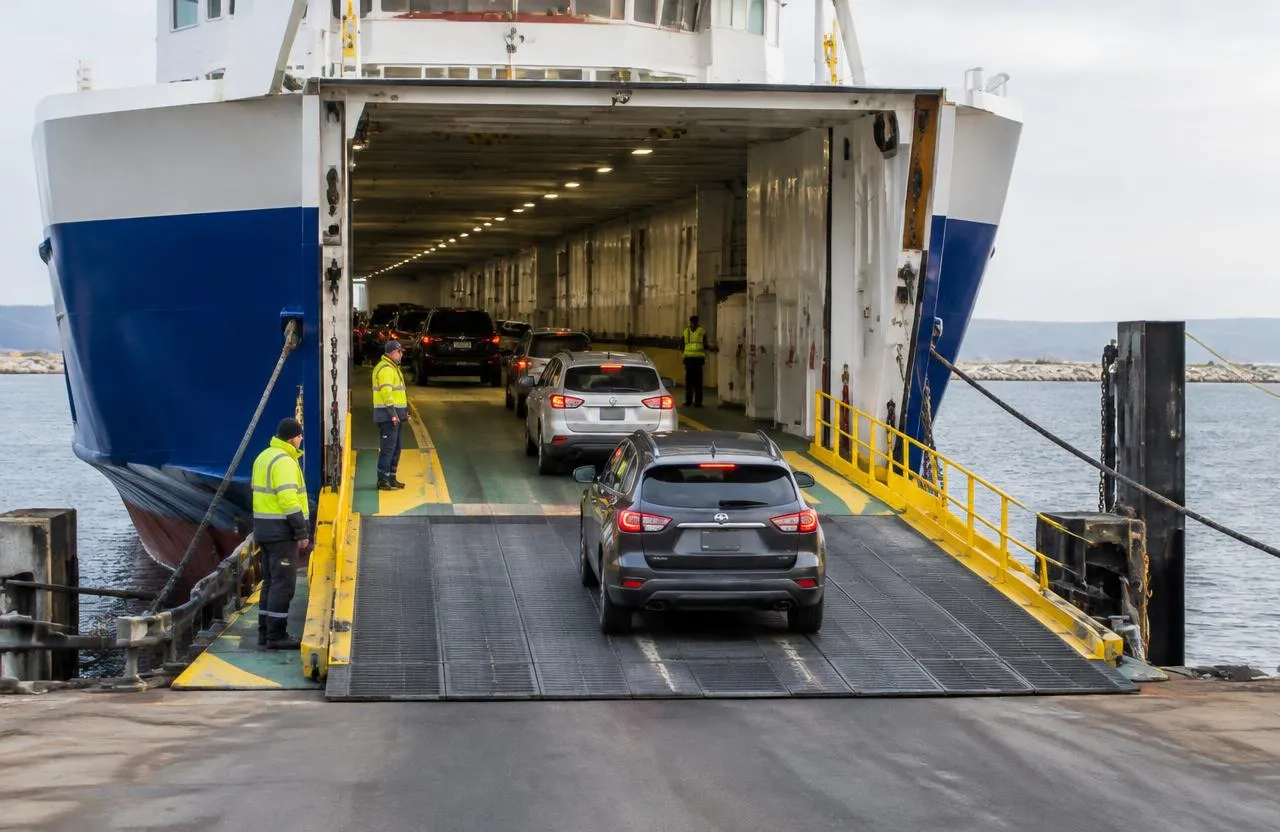
Cars driving up the bow ramp into the vehicle deck of a ferry, guided by crew in high-visibility vests
Driving on board

Ferry Travel With a Car

Taking your car on a germany denmark car ferry is straightforward. Tickets are priced by vehicle category, usually based on length, height and whether you tow a trailer or caravan. Campervans, motorhomes and vans may fall into separate categories, so check your vehicle's dimensions before booking.

At the terminal

Follow the signs to check-in lanes, have your booking reference or licence plate ready, and allow extra time in summer and on public holidays. Staff will direct you to a lane and then onto the vehicle deck.

Boarding and documents

Drive on slowly, apply the handbrake and leave the vehicle deck during the crossing. Carry valid ID or passports for every traveller, plus vehicle documents and insurance, because border checks can take place on either side.

Planning a longer cross-border journey? Combine your crossing with our route notes towards Sweden.

Route planning

Germany to Denmark Ferry Guide

Choosing a germany to denmark ferry starts with where you are coming from. If you are driving from Hamburg, Bremen, the Netherlands or western Germany, the Puttgarden – Rødby crossing is usually the most direct choice: follow the A1 and E47 to Fehmarn and you reach the terminal without leaving the main road. The ferry from germany to denmark on this route takes around 45 minutes.

If you are setting out from Berlin, Leipzig, Dresden or Poland, the Rostock – Gedser crossing often makes more sense. The sea crossing is longer, but you avoid driving north-west to Fehmarn first. Both routes eventually join the E47 and E55 towards Copenhagen, which makes them popular for a ferry from germany to copenhagen road trip.

When comparing routes, think about total journey time rather than just the crossing: driving distance to the terminal, check-in time, the crossing itself and onward driving. Seasonal traffic matters too — summer weekends and holiday periods are busier on every ferry crossing germany denmark.

Ticket information, the germany denmark ferry timetable and current germany denmark ferry prices are available from the operator. In general, booking ahead can give access to lower fares on a specific departure, while flexible tickets suit travellers whose arrival time is uncertain. Our tickets page explains the differences.

Finally, consider your vehicle. Cars, campers and caravans are all carried on a car ferry to denmark, but larger vehicles cost more and may need to be declared accurately at booking. Returning home? The ferry from denmark to germany follows the same process in reverse.

Onward travel

Travel Towards Sweden

There is no direct ferry from Germany to Sweden on the routes described here. Instead, many drivers combine a Baltic ferry crossing with a road journey through Denmark. After arriving in Rødby or Gedser, the motorway leads north across Lolland, Falster and Zealand towards Copenhagen.

From Copenhagen, the Øresund Bridge links Denmark with Malmö in southern Sweden. The bridge is a toll road run by its own operator, Øresundsbron, and is not part of the ferry company. Ferry-plus-bridge combination offers have been available at times; whether a scandlines combination ticket is offered today should be checked on the official websites.

The northern crossing between Helsingør and Helsingborg is another option. Scandlines operated that route in the past, but it was sold in 2018 and is now run by a different company — so check the current operator before you book.

Read more in our ferry and bridge combinations section.

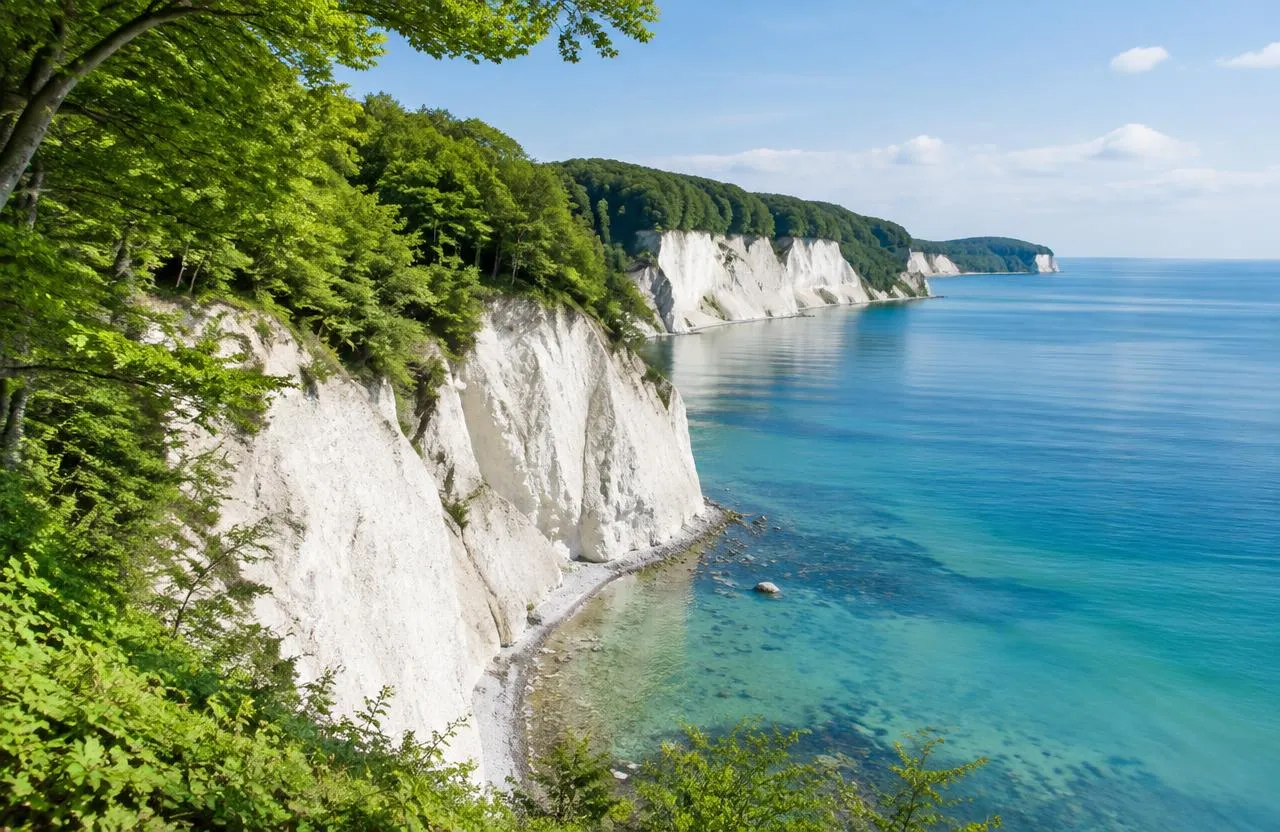
White chalk cliffs and beech forest above turquoise Baltic Sea water

Baltic coastal landscape (illustrative).

FAQ

Frequently Asked Questions

What ferry routes does Scandlines operate?

Scandlines is best known for two short Baltic Sea ferry routes between Germany and Denmark: Puttgarden – Rødby and Rostock – Gedser. Route networks can change, so always check the official Scandlines website for the current list of scandlines routes.

How can I find Scandlines ferry tickets?

Scandlines ferry tickets are sold through the operator's official booking channels, mainly its website and app, and at terminal ticket booths where available. This guide does not sell tickets. Our tickets and fares page explains the ticket types to look for.

Where can I check Scandlines ferry prices?

Current scandlines ferry prices are shown only in the operator's official booking tool, because fares depend on date, time, vehicle and ticket type. We deliberately do not publish prices that could be out of date.

How do Scandlines ferry reservations work?

A scandlines ferry reservation is usually made online by choosing a route, direction, travel date, vehicle category and ticket type. Some tickets are tied to a departure, while more flexible tickets allow changes. Read the conditions of your chosen fare before paying.

Can I travel with my car?

Yes. Both routes are car ferry crossings designed for cars, motorcycles, campervans, caravans and lorries, as well as bicycles and foot passengers. Vehicle size, height and trailers affect the ticket category, so measure your vehicle before booking.

Where can I check ferry departure times?

The official scandlines ferry timetable and live departure information are published by the operator. We do not publish live schedules, as departures can change because of weather, maintenance or seasonal timetables.

Are return tickets available?

Return travel is generally possible, either as two single journeys or as a return product where the operator offers one. Availability and conditions vary — see our ticket categories overview and confirm on the official site.

Can I combine a ferry crossing with travel to Sweden?

Yes, many drivers cross from Germany to Denmark by ferry and continue by road across Zealand and the Øresund Bridge to Malmö. The bridge is run by a separate operator. Combination offers have existed in the past; check the official channels for anything currently available.

Ready to book your crossing?

Bookings, live departures and current prices are only available from the operator.

Visit the official Scandlines website