About the ferries
About Scandlines Ferries
Scandlines is a ferry company that operates short-sea crossings across the western Baltic Sea between Germany and Denmark. For many travellers, a scandlines ferry is the natural link between the German motorway network and the Danish islands — and from there to Copenhagen and southern Sweden. The company's history goes back to the state railway ferries of both countries, and its crossings remain an important part of everyday European transport.
The best-known scandlines routes are Puttgarden – Rødby, linking the German island of Fehmarn with Lolland in Denmark, and Rostock – Gedser, linking the German port city of Rostock with the southern tip of Falster. Both are true scandlines germany denmark connections that work equally well in the other direction, so a scandlines denmark germany trip is simply the return leg of the same crossing.
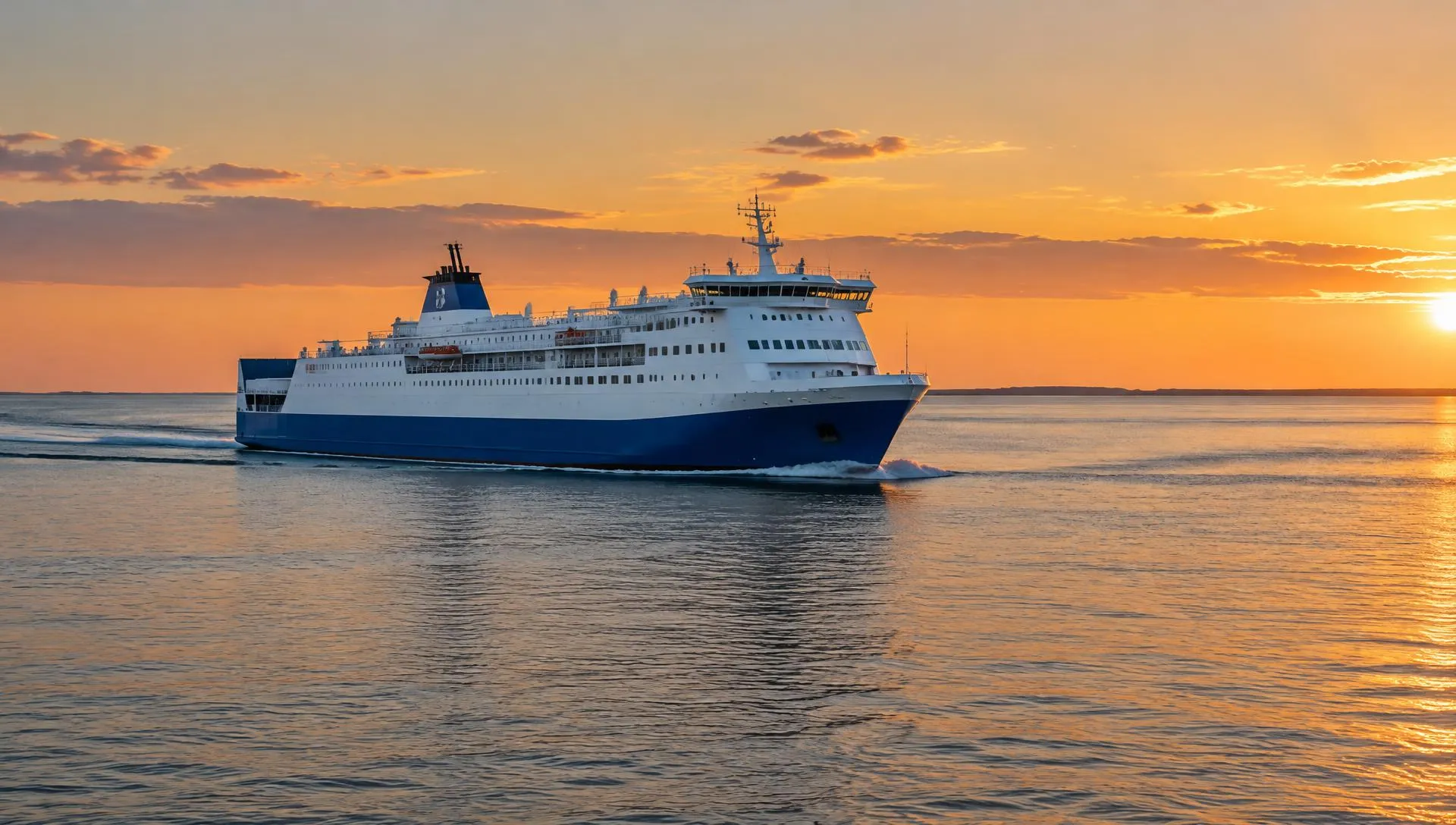
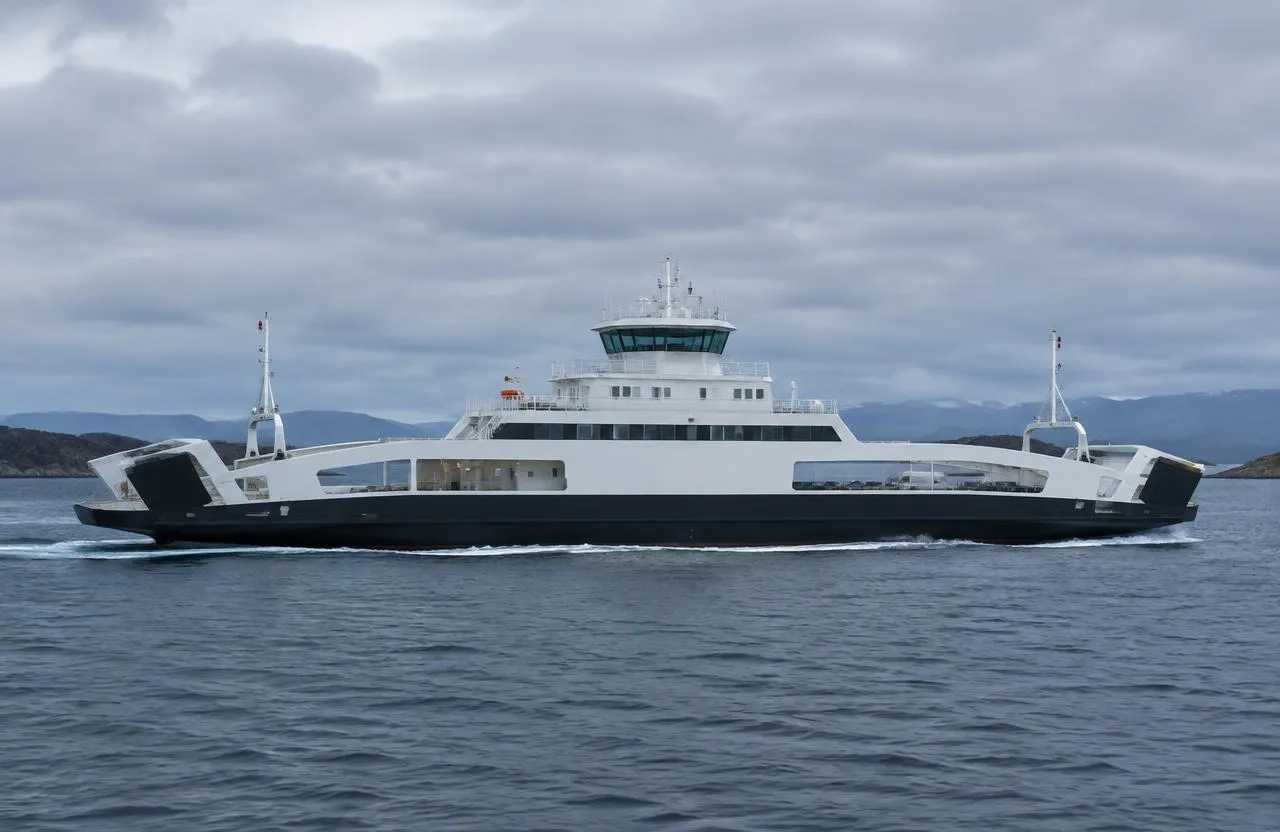
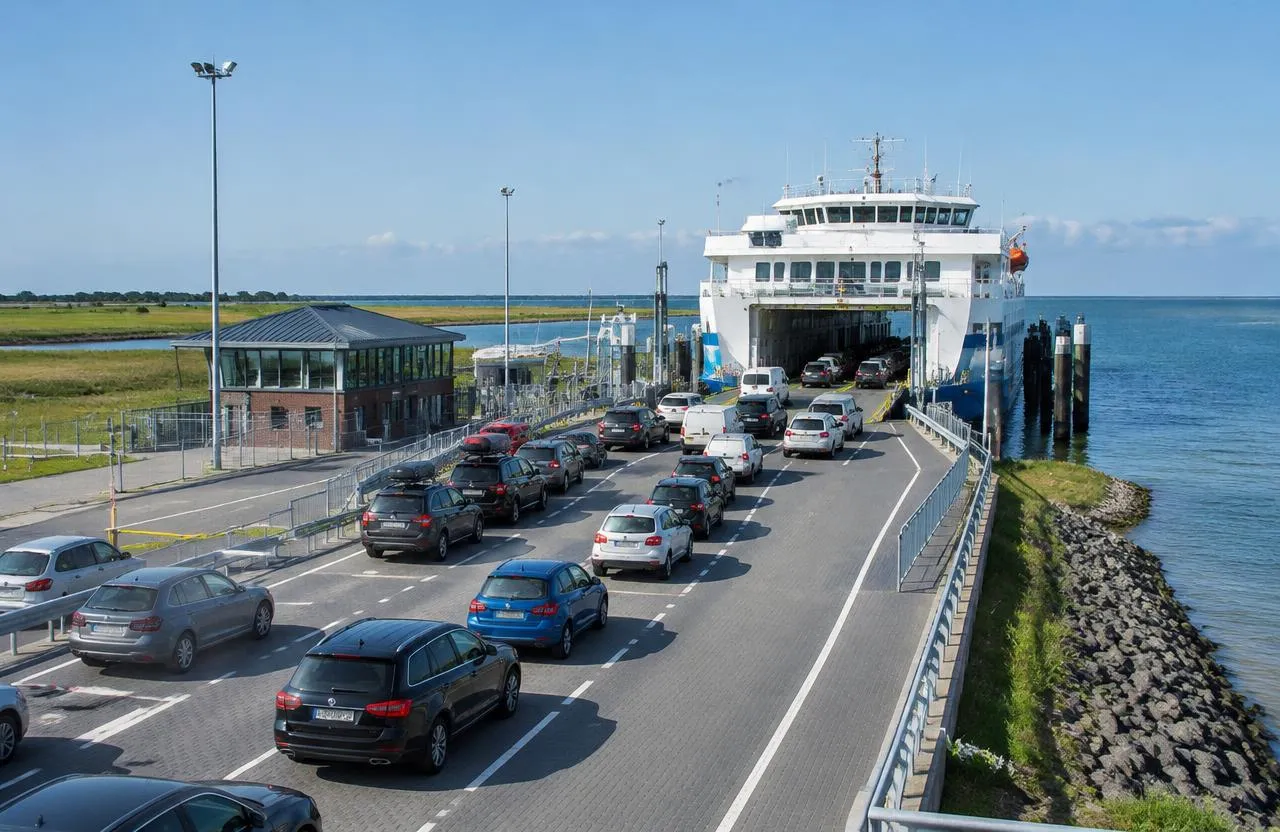
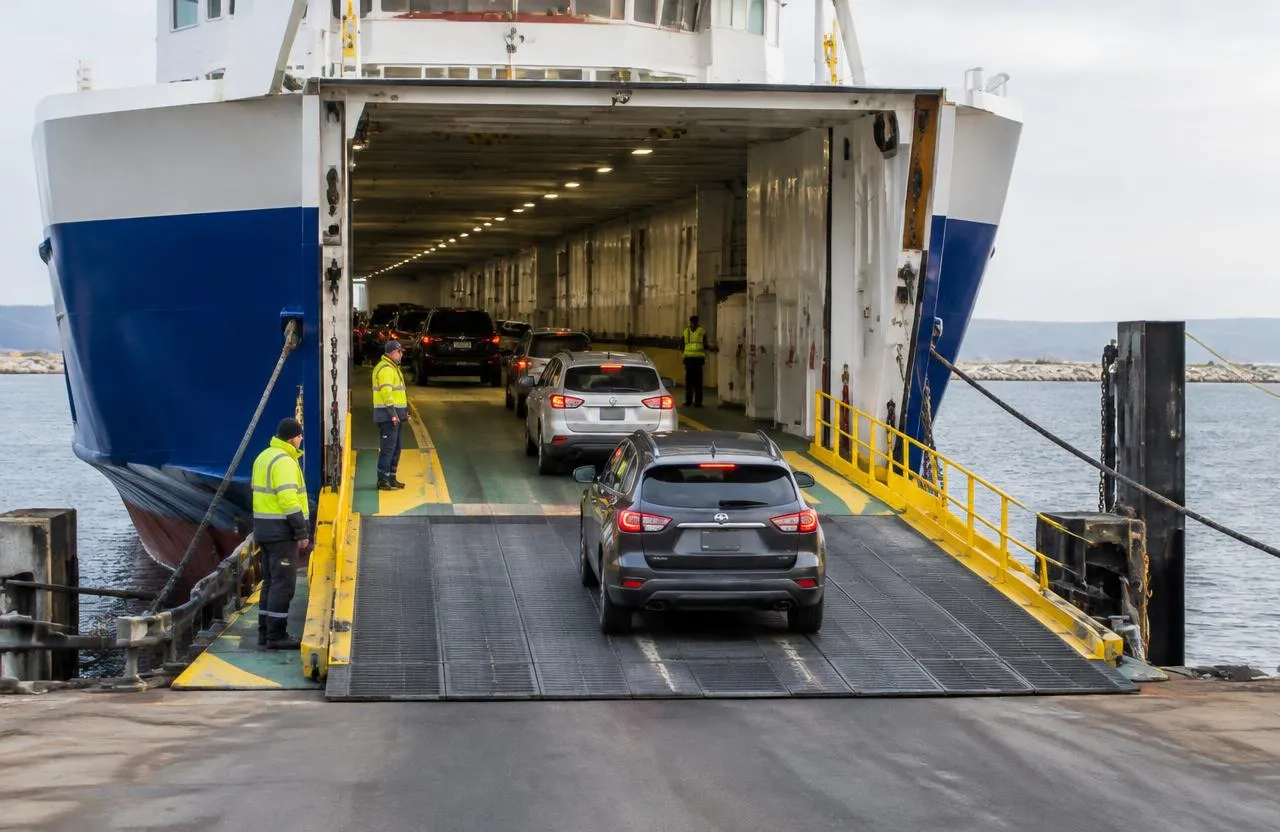
Scandlines ferries carry both passengers and vehicles. A typical scandlines car ferry loads cars, campervans, motorcycles, coaches and freight lorries through bow and stern doors, while foot passengers and cyclists board separately. On board, travellers will usually find seating areas, food and drink outlets and a shop, though facilities vary by vessel.
Each scandlines ferry crossing is short compared with long-distance overnight ferries, which is why these routes are popular with holiday drivers, commuters and hauliers alike. Ticket options generally range from cheaper, less flexible fares to flexible tickets that allow changes — see our tickets and fares guide for an overview.
Why does this matter for road travellers? Without the ferries, driving between Hamburg and Copenhagen would mean a long detour through Jutland and over the Great Belt. The Baltic crossings shorten that journey considerably and form part of the classic "bird flight line" between central Europe and Scandinavia.
Please note: this is an independent information site. For timetables, prices and bookings, always use the official Scandlines website.